
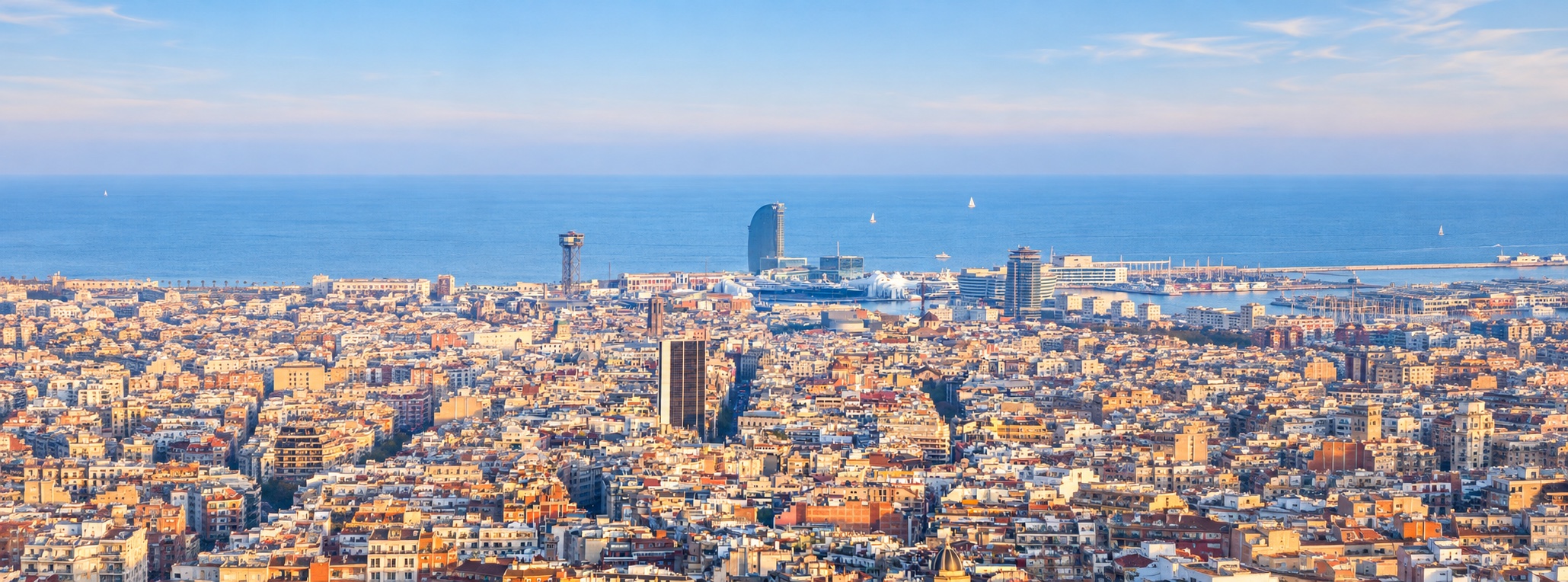
A Love Letter to Its Most Captivating Neighbourhoods
Barcelona isn’t a city you simply visit. It’s a city you inhabit, even if only for a few days. And choosing where to stay might just be the first chapter of your love affair with it.
There is a Barcelona that wakes up to the sound of rolling shutters and coffee cups clinking on marble counters. Another that dances until sunrise. One that smells of salt and sea breeze, and another where elegant façades hide quiet courtyards and centuries of stories.
The secret? There is no single best neighbourhood to stay in Barcelona. There is only the one that feels right for you.
The Gothic Quarter: For Romantics and Curious Wanderers
If Barcelona were a novel, the Gothic Quarter would be its most mysterious chapter.
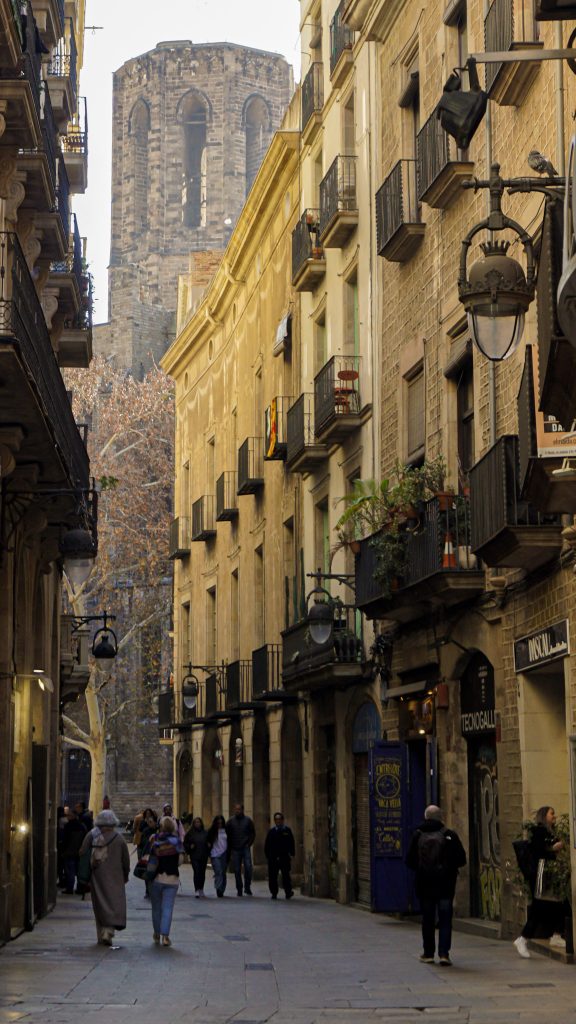
Behind the Cathedral, narrow medieval streets twist into tiny squares where time seems to have forgotten its responsibilities. Stay here and you’ll wake up surrounded by history, independent boutiques and centuries-old stone walls.
Compared with the wide avenues of Eixample, the Gothic Quarter is wonderfully chaotic. It’s ideal for first-time visitors who want to explore on foot, although its lively streets can become noisy after dark.
A local secret: Slip into Plaça de Sant Felip Neri early in the morning, before the walking tours arrive. Few places capture Barcelona’s quiet, melancholic beauty quite like this little square.
Eixample: Barcelona at Its Most Elegant
If the Gothic Quarter is a labyrinth, Eixample is a perfectly composed symphony.
Here, modernist architecture meets stylish cafés, leafy avenues and some of the city’s finest restaurants. Staying near Passeig de Gràcia means having Gaudí’s masterpieces practically on your doorstep, alongside excellent transport connections.
It’s more spacious, orderly and comfortable than the Old Town, making it particularly appealing to couples, architecture lovers and travellers seeking a sophisticated city break.
A local secret: Don’t limit yourself to Passeig de Gràcia. Wander along Carrer d’Enric Granados, where terraces, galleries and neighbourhood restaurants offer a more intimate, less theatrical version of Barcelona.
Gràcia: The Village That Refused to Become a City
Gràcia has a rebellious little soul.
Once an independent village, it still behaves like one. Locals gather in sun-drenched squares, neighbours debate over coffee, and independent shops give its streets a personality that no shopping mall could reproduce.
Unlike the Gothic Quarter, Gràcia rarely feels like a stage built for visitors. It’s less convenient for the waterfront, but infinitely rewarding for those who prefer authenticity over postcard perfection.
A local secret: Spend an evening around Plaça de la Virreina or Plaça del Sol. Order a vermouth, settle into a terrace and let the neighbourhood provide the entertainment.
El Born: For Creative Souls and Night Owls
El Born is where medieval Barcelona learned to dress beautifully.
Its narrow streets conceal cocktail bars, artisan workshops, independent galleries and fashionable restaurants. The Picasso Museum and the magnificent Santa Maria del Mar give the neighbourhood cultural depth, while nearby Parc de la Ciutadella offers a welcome breath of greenery.
Compared with Gràcia, El Born is more central and cosmopolitan, but also busier and often noisier at night.
A local secret: Explore the quieter streets around Carrer de l’Allada-Vermell in the morning, then wander towards the old Mercat del Born. This is a neighbourhood best discovered without an itinerary.
Poblenou: The Barcelona You Didn’t Expect
Imagine an old industrial district falling in love with the Mediterranean.
That’s Poblenou.
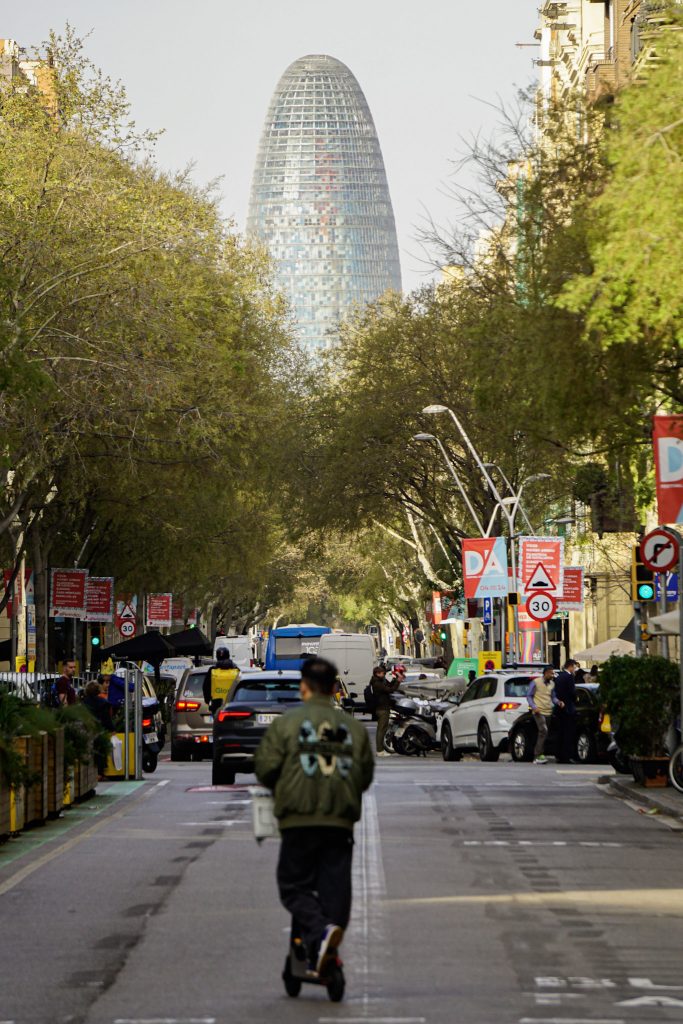
Former factories now host creative studios, contemporary spaces and design-led businesses. Wide streets lead towards Bogatell Beach, where the atmosphere generally feels more relaxed than around Barceloneta.
It’s a particularly attractive choice for families, digital nomads and travellers who want beach time without sacrificing neighbourhood life.
A local secret: Walk along Rambla del Poblenou in the late afternoon, then continue towards the sea. It’s one of the loveliest ways to experience Barcelona at a slower, more local rhythm.
Barceloneta: Barefoot Mornings and Salty Evenings
Some travellers come to Barcelona for Gaudí. Others come for the sea.
Barceloneta belongs to the second group.
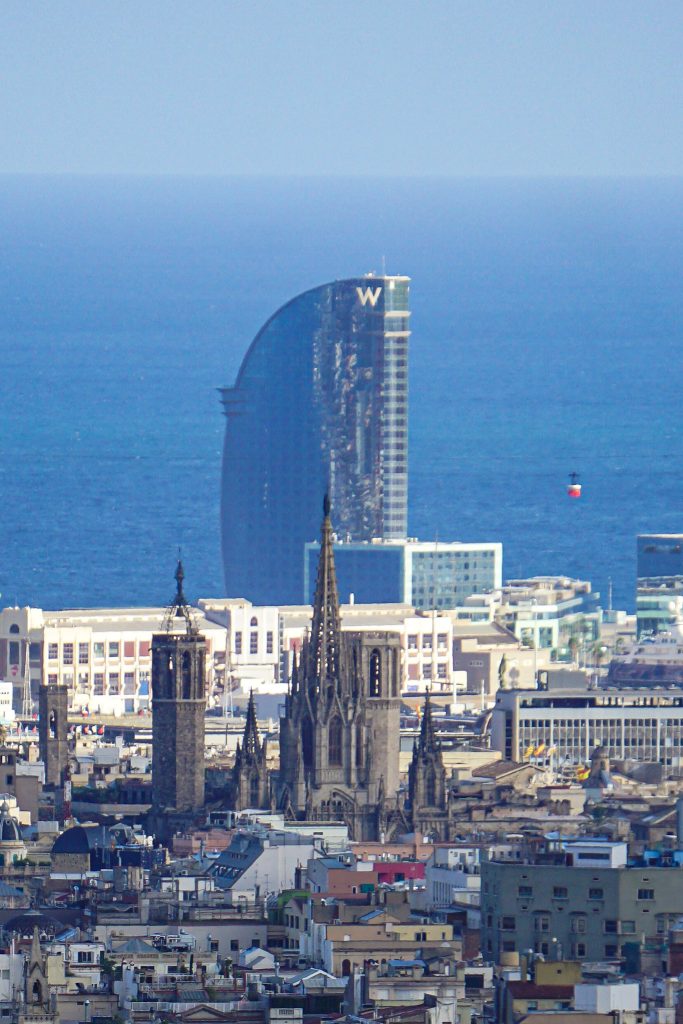
This former fishing neighbourhood offers immediate access to the beach, seafood restaurants and the waterfront promenade. It’s lively, informal and irresistibly Mediterranean.
But proximity to the sand comes with a trade-off: summer crowds, tourist-oriented establishments and lively nights. Those seeking peace and quiet may feel more comfortable in Poblenou.
A local secret: Wake up early and stroll towards the old fishing streets before the beach crowds arrive. The neighbourhood reveals a gentler personality when the city is still stretching awake.
So, Where Should You Stay?
Choose the Gothic Quarter for history and atmosphere, Eixample for elegance and convenience, Gràcia for village charm, El Born for culture and nightlife, Poblenou for creative energy and relaxed beaches, or Barceloneta for life beside the Mediterranean.
And remember: Barcelona’s best moments rarely happen when you’re rushing between monuments.
They happen when you take the wrong turn, discover a tiny bakery, hear music drifting from an open window, or find yourself sitting in a square with absolutely nowhere else you need to be.
Choose your neighbourhood wisely. Then allow Barcelona to surprise you.