
Ciutat Vella
Two thousand years folded into a few square kilometres
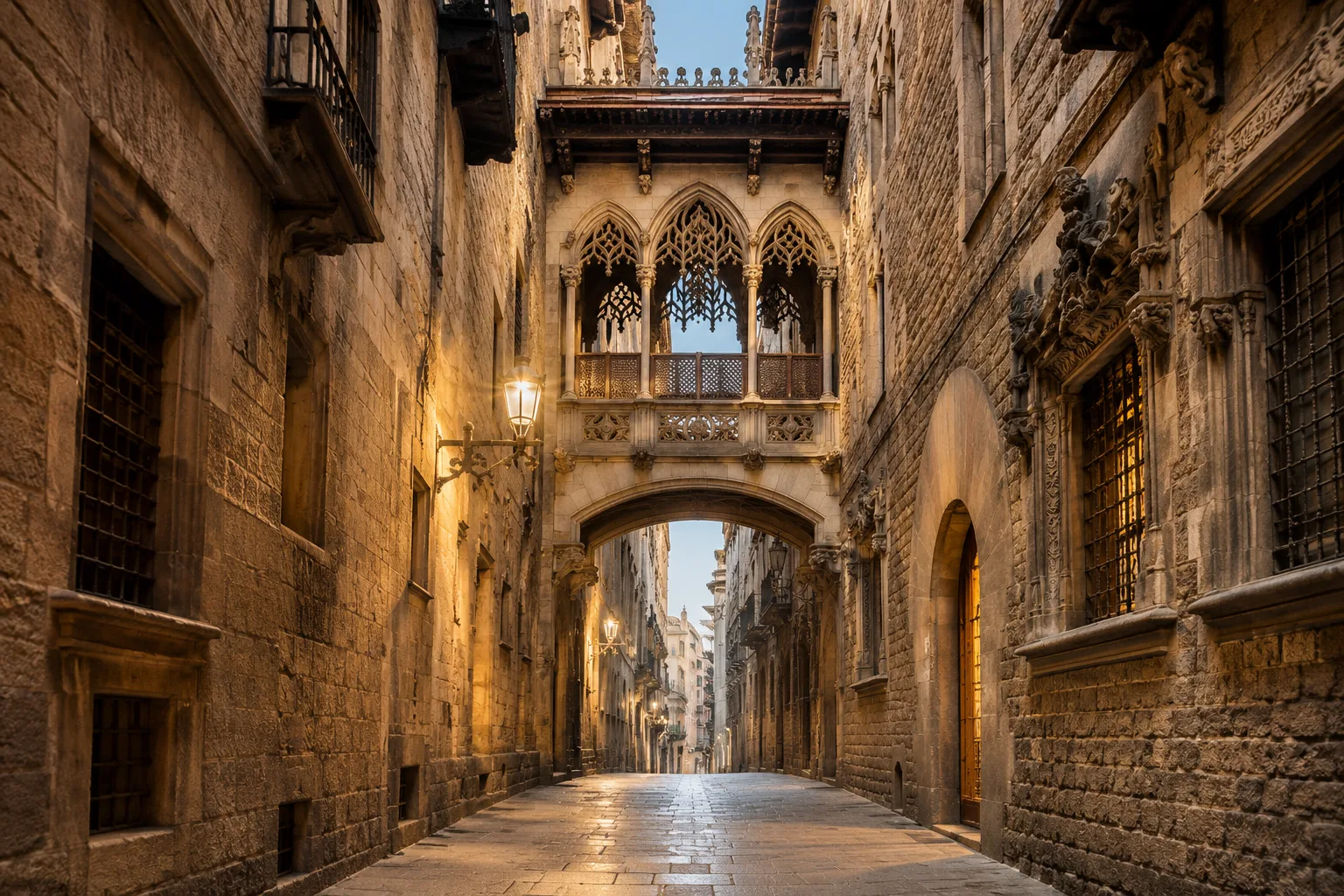
Ciutat Vella is where Barcelona keeps its memory. Roman Barcino still shows through the walls of the Gothic Quarter, medieval guilds named the lanes of El Born, the Raval carries the city’s working-class and migrant history, and Barceloneta ends the whole story at the water. The district is made of four neighbourhoods: the Gòtic; Sant Pere, Santa Caterina i la Ribera (El Born); the Raval; and Barceloneta.
It is also the part of Barcelona that pays the highest price for its beauty. Residents are vastly outnumbered by visitors, hotel licences have been frozen for years and pickpocketing is a daily reality on the busiest streets. Come early, walk slowly, spend in local shops and bars, and the old town still gives back more than any other corner of the city.
Barri Gòtic
Cathedral cloisters, Plaça Sant Felip Neri, the Roman columns of the Temple d’August and lanes that change light every hour.
Best for: First walks, history and early mornings.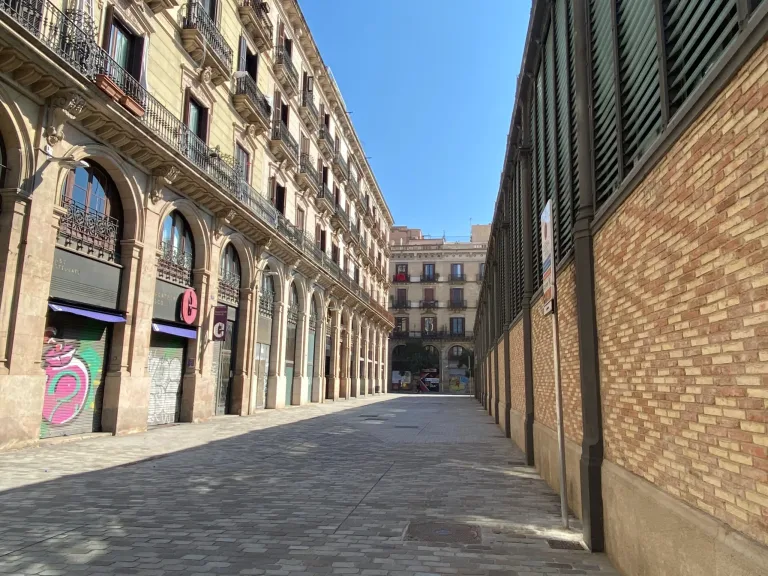
El Born and La Ribera
Santa Maria del Mar, the Born Centre de Cultura i Memòria, small design shops and some of the city’s best wine bars.
Best for: Architecture, evening strolls and food.El Raval
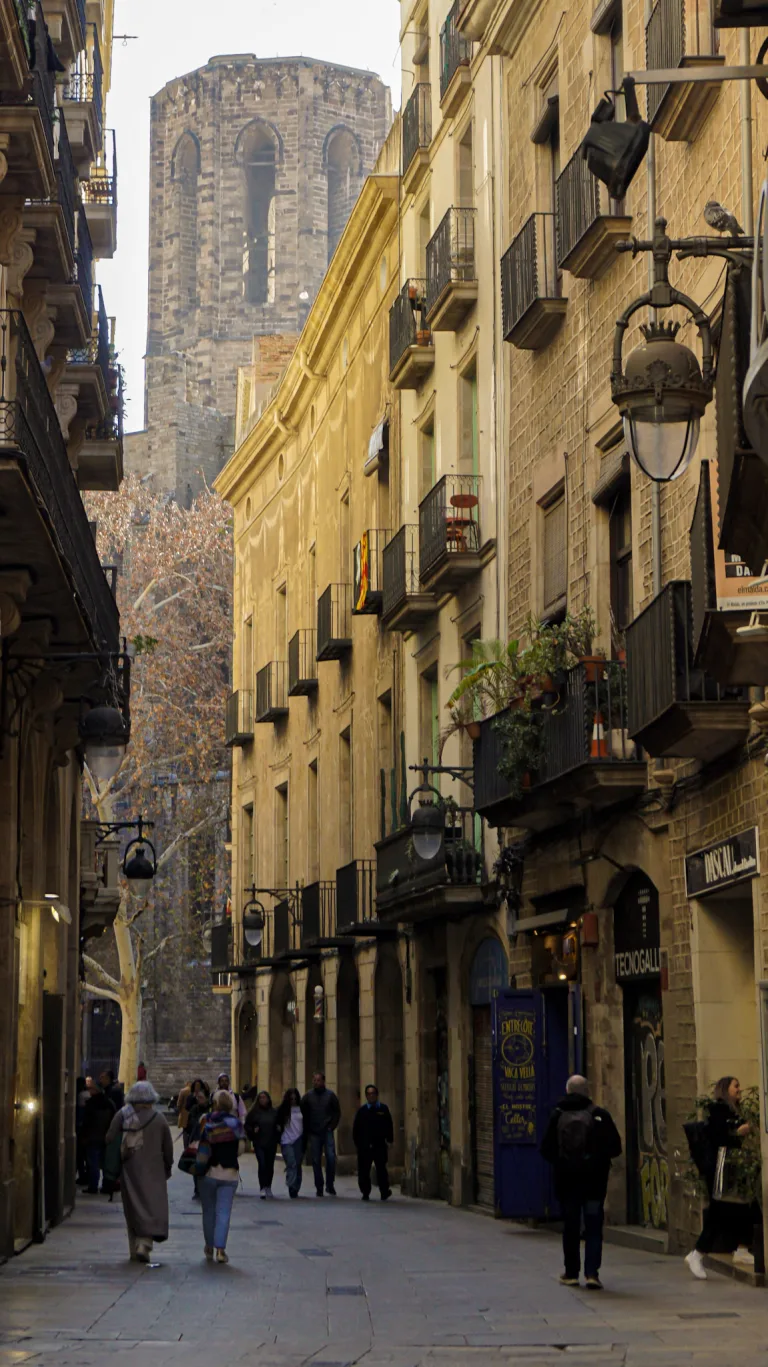
La Boqueria, MACBA’s white façade, Sant Pau del Camp and a neighbourhood that is raw, diverse and very much alive.
Best for: Curious travellers who like real streets.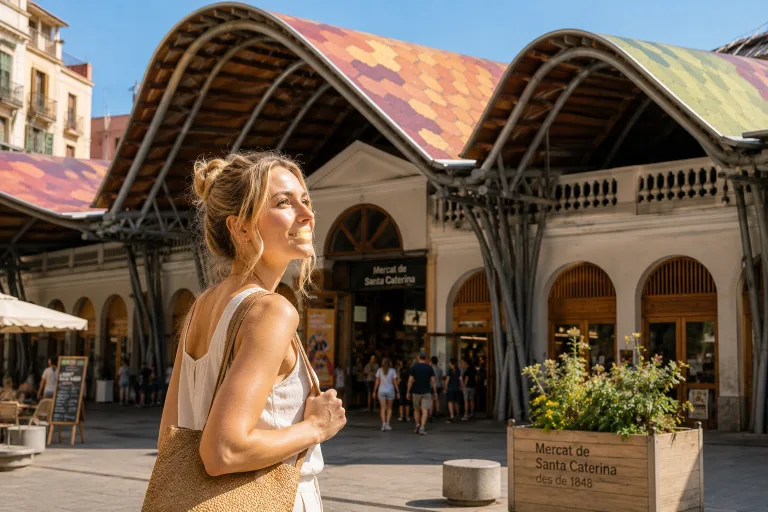
Mercat de Santa Caterina
The wavy, colourful roof hides a market that still feels like it belongs to the neighbourhood more than to visitors.
Best for: A calmer market than La Boqueria.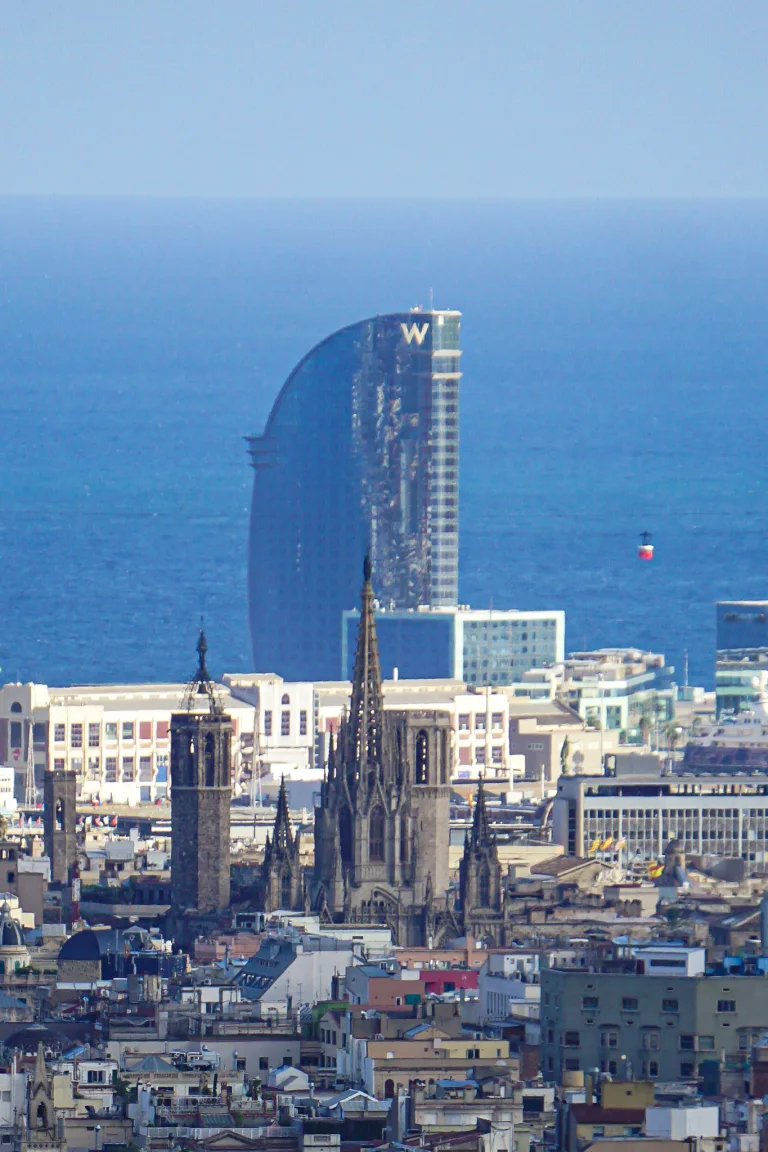
Barceloneta
Narrow 18th-century blocks, laundry on balconies, seafood bars and the city’s most famous beach at the end of every street.
Best for: Sea air, paella and sunsets.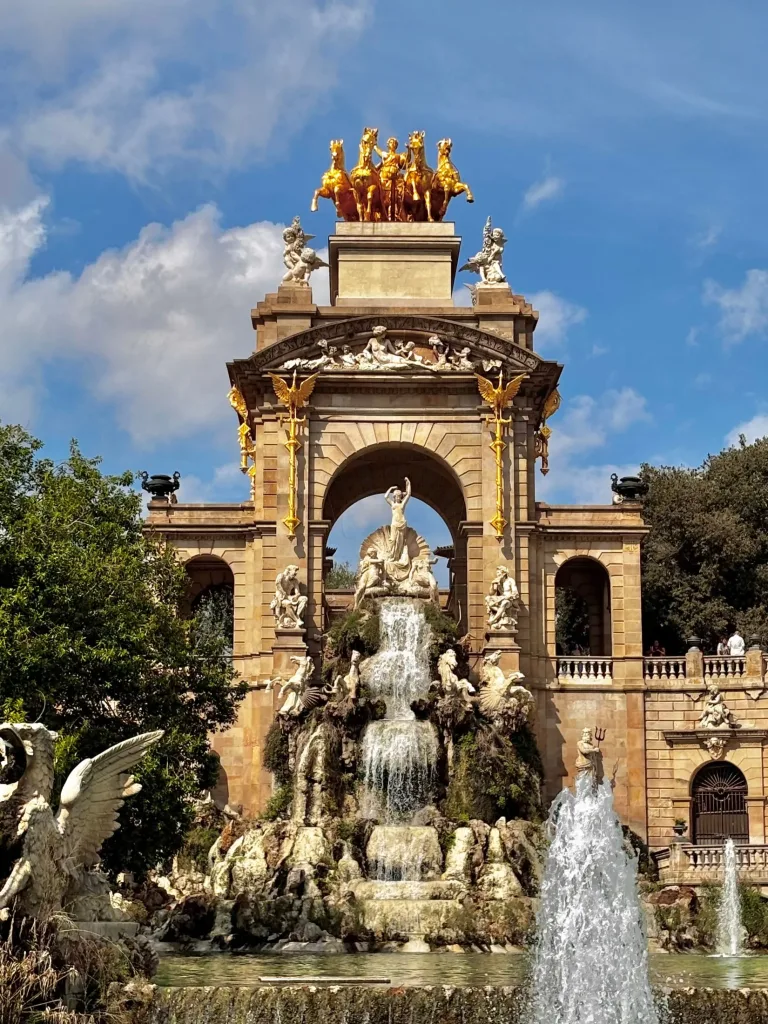
Parc de la Ciutadella
The old town’s breathing space: the lake, the Cascada Monumental, the zoo and the Parliament of Catalonia.
Best for: Picnics, families and slow afternoons.Read guidePlan your time
Ways to spend a day in Ciutat Vella
Morning: Roman and Gothic
Start at the Cathedral before the tour groups, find the Temple d’August columns, then cross Via Laietana to Santa Maria del Mar.
Afternoon: markets and art
Lunch at a counter in Santa Caterina, wander the Raval to MACBA and Sant Pau del Camp, then rest in Ciutadella.
Evening: to the sea
Walk down to Barceloneta for the sunset, eat seafood away from the beachfront menus and return through El Born for a glass of wine.
Honest take
The beautiful and the complicated
What we love
The density of beauty: a Roman wall, a Gothic basilica and a modern market within ten minutes of each other, and squares where neighbours still sit outside on summer nights.
What to know
Overtourism is not an abstraction here. Rents, noise and souvenir shops have pushed many residents out. Choose licensed accommodation, avoid loud groups late at night and leave the old town a little better than you found it.
Ciutat Vella FAQ
What are the four neighbourhoods of Ciutat Vella?
The Gòtic (Gothic Quarter), Sant Pere, Santa Caterina i la Ribera (often called El Born), the Raval and Barceloneta.
Is Ciutat Vella safe for visitors?
It is generally safe, but pickpocketing is common in crowded places such as La Rambla, the metro and busy squares. Keep valuables closed and in front of you.
Is Ciutat Vella a good place to stay?
It is very central and walkable, but it can be noisy at night. Ask for an interior or upper-floor room and always book licensed accommodation.
How much time do I need for the old town?
One full day covers the highlights at a relaxed pace. Two half-days, one morning and one evening, show you its quieter and livelier sides.