Parc de la Ciutadella with kids
Barcelona's garden of forgotten stories
Row a boat beneath the trees, find a mammoth hiding in the greenery, and climb a waterfall touched by a young Gaudi. Ciutadella looks peaceful today, but its paths carry one of Barcelona's most surprising stories.
Why families love it
A park where everyone can breathe
Barcelona has a talent for hiding history in beautiful places, and few places hide it better than Parc de la Ciutadella.
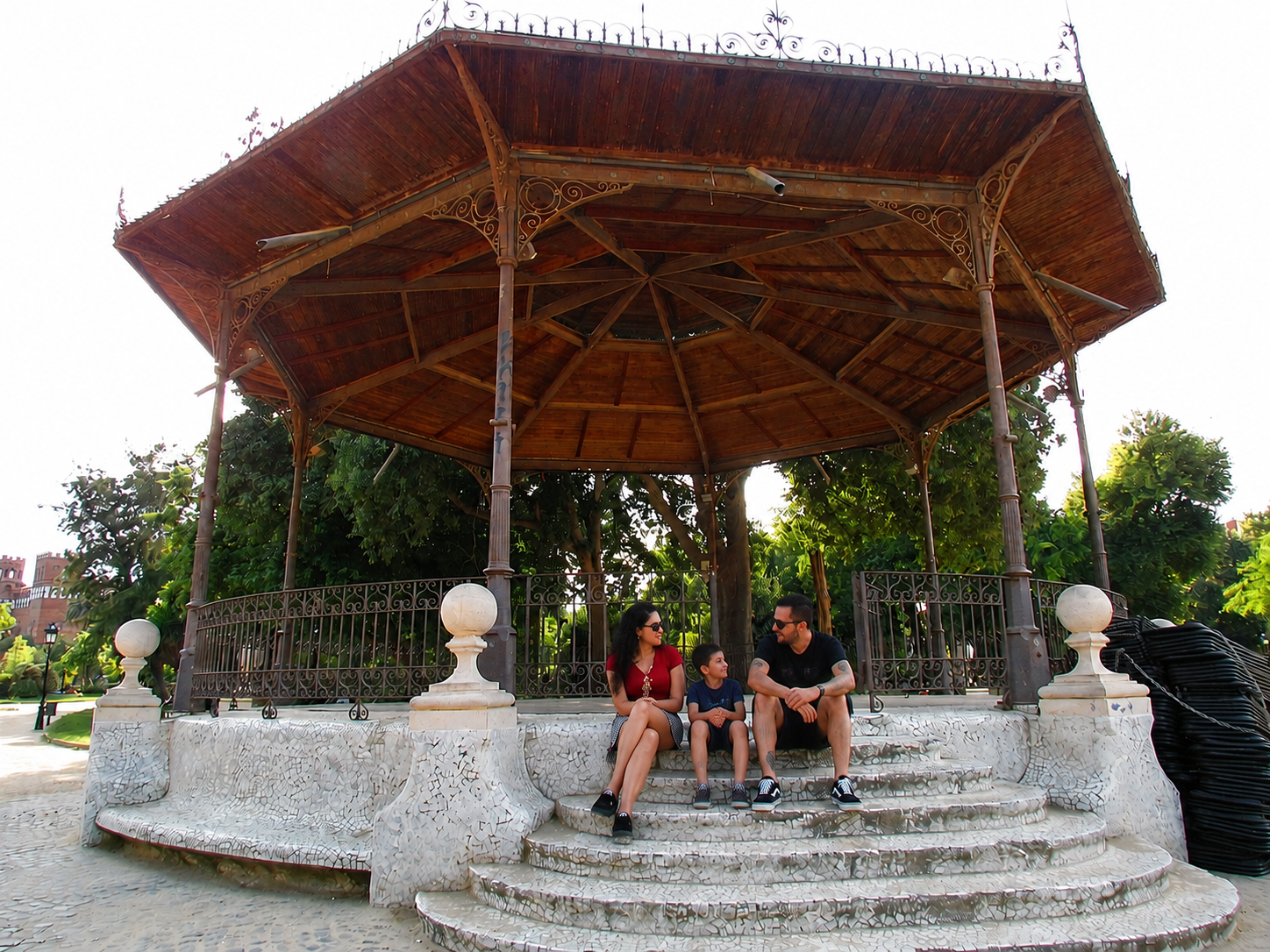
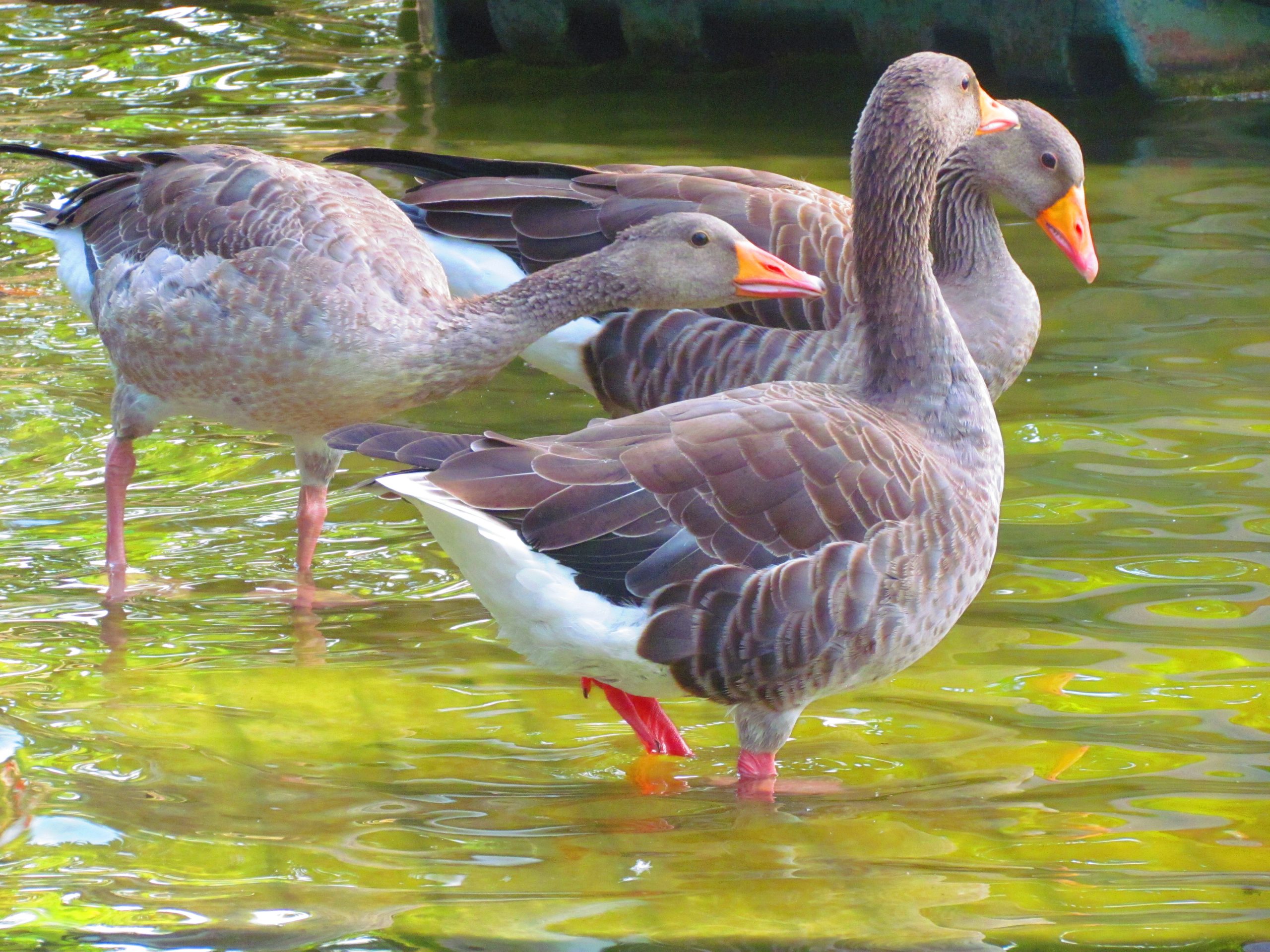
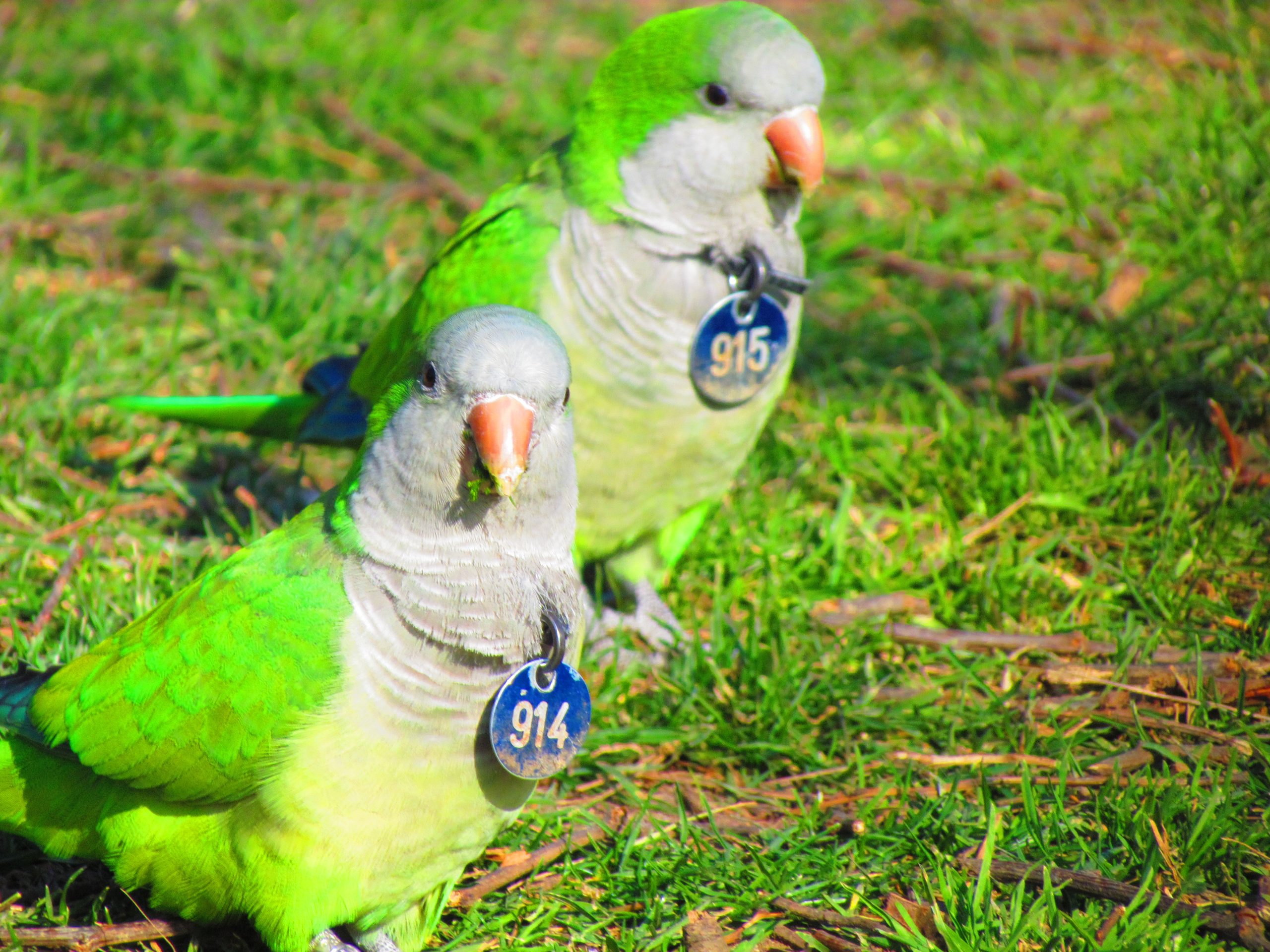
Walk through its gates today and the scene feels effortlessly Mediterranean: palms sway, parakeets quarrel overhead, families wander toward the lake, and afternoons stretch longer than expected.
If you are exploring Barcelona with children, this is exactly what makes Ciutadella special. After churches, museums, queues and narrow medieval streets, children can suddenly run. Parents can slow down. A sightseeing day becomes a picnic, a mammoth hunt or a boat ride.
Before the garden
Before the park, there was a fortress
To understand Ciutadella, travel back to one of the darkest chapters in Barcelona's history. After Barcelona fell on 11 September 1714 during the War of the Spanish Succession, King Philip V ordered an enormous military citadel here.
It was not simply built to defend Barcelona from outside attack. It was built, in large part, to control Barcelona itself. Around 1,262 houses in the Ribera neighbourhood were demolished to make space for it.
Where children now run, cannons once pointed toward the city. A place built to control a population eventually became a place belonging to everyone.
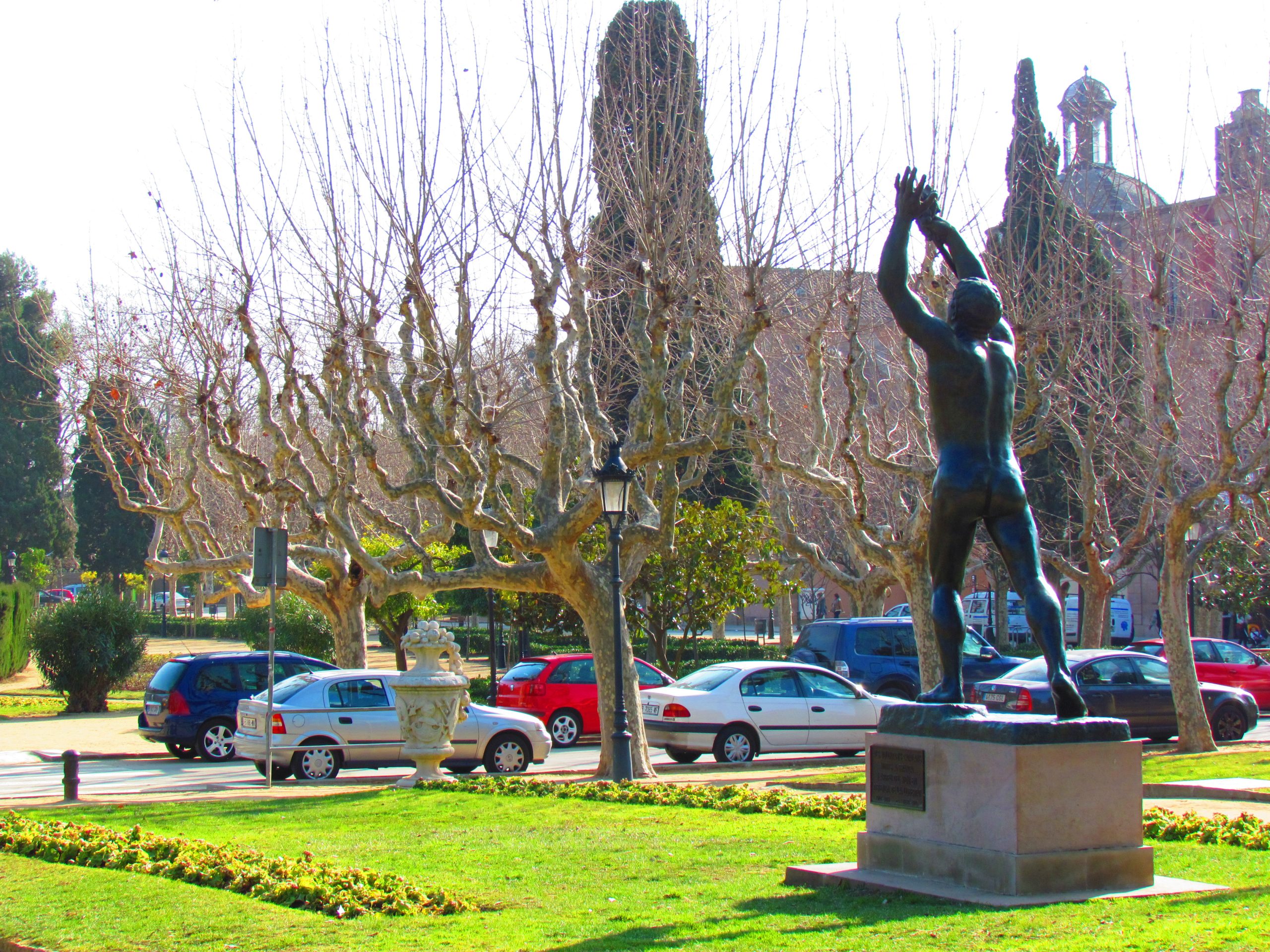
A fortress built to control Barcelona eventually became one of the city's most generous family spaces.
1888 World Fair
Follow the ghost of the 1888 exhibition
In 1869, General Joan Prim handed the citadel over to Barcelona. Most of the military complex was demolished, and the city planted a park.
Then in 1888, the world came knocking. Ciutadella became part of the stage for Barcelona's Universal Exhibition.
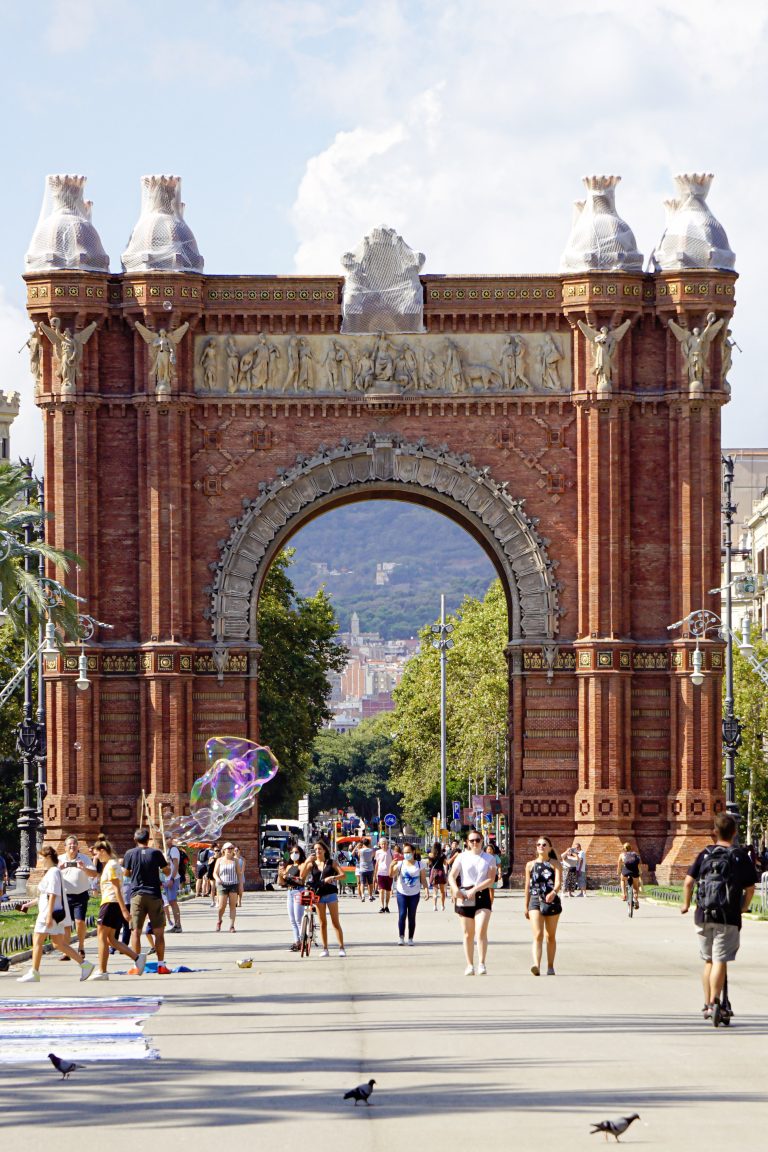
If you have already visited Arc de Triomf, you have unknowingly begun this story. Walk beneath the arch, continue along Passeig de Lluis Companys, and enter Ciutadella. You are following the ceremonial route toward the old exhibition grounds.
Family route
Turn the park into a small adventure
For families, Ciutadella works best as part of a gentle half-day route rather than a box to tick.
Begin at Arc de Triomf, walk the broad promenade, enter the park, hunt for the mammoth, stop at the lake, admire the Cascada from below, let children play, then continue toward El Born when energy returns.
Tell younger children there is a giant mammoth hiding among the trees. The walk suddenly becomes much easier.
Little explorer mission
The mammoth hiding in Barcelona
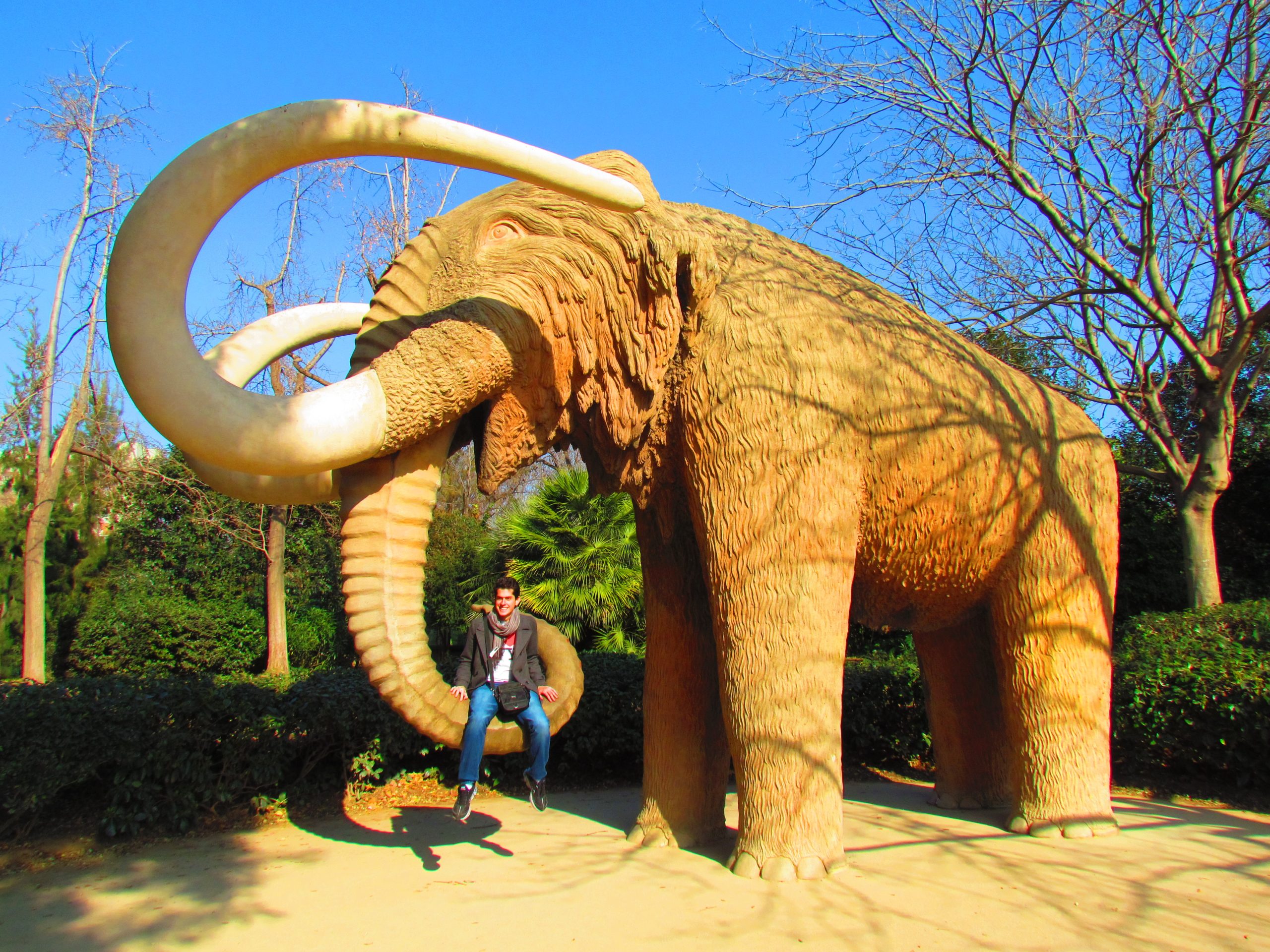
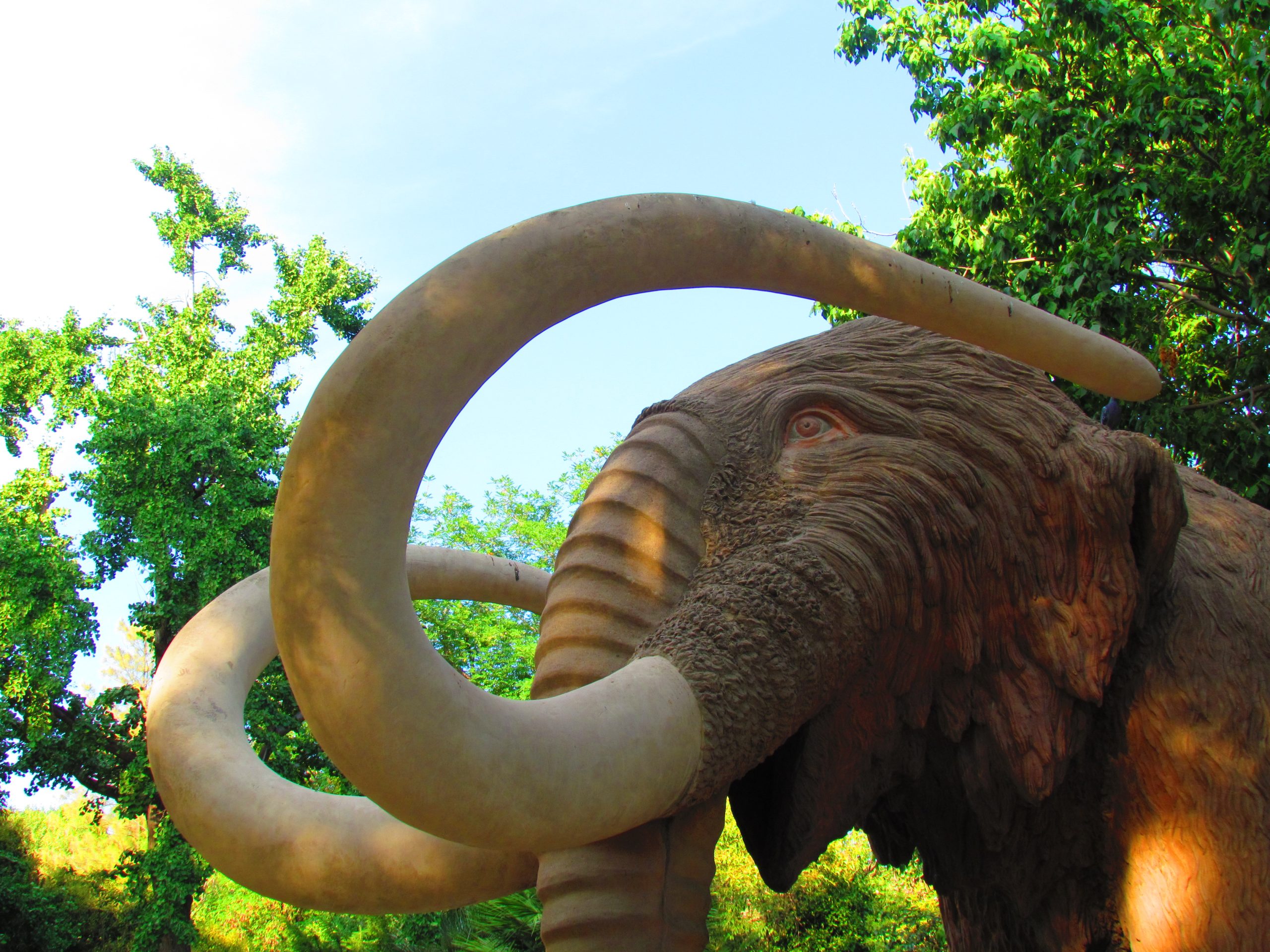
Walk toward the lake. Look between the trees. Do not tell children exactly where. Eventually, there he is: tusks, trunk and fur carved into stone.
The mammoth appeared in 1907 as part of a plan to install full-size reproductions of extinct prehistoric animals throughout the park. The mammoth was first. And last.
For adults, it is an eccentric piece of Barcelona history. For children, it may be the most important monument you see all morning. That is perfectly fine.
Slow down
The lake is where Barcelona slows down
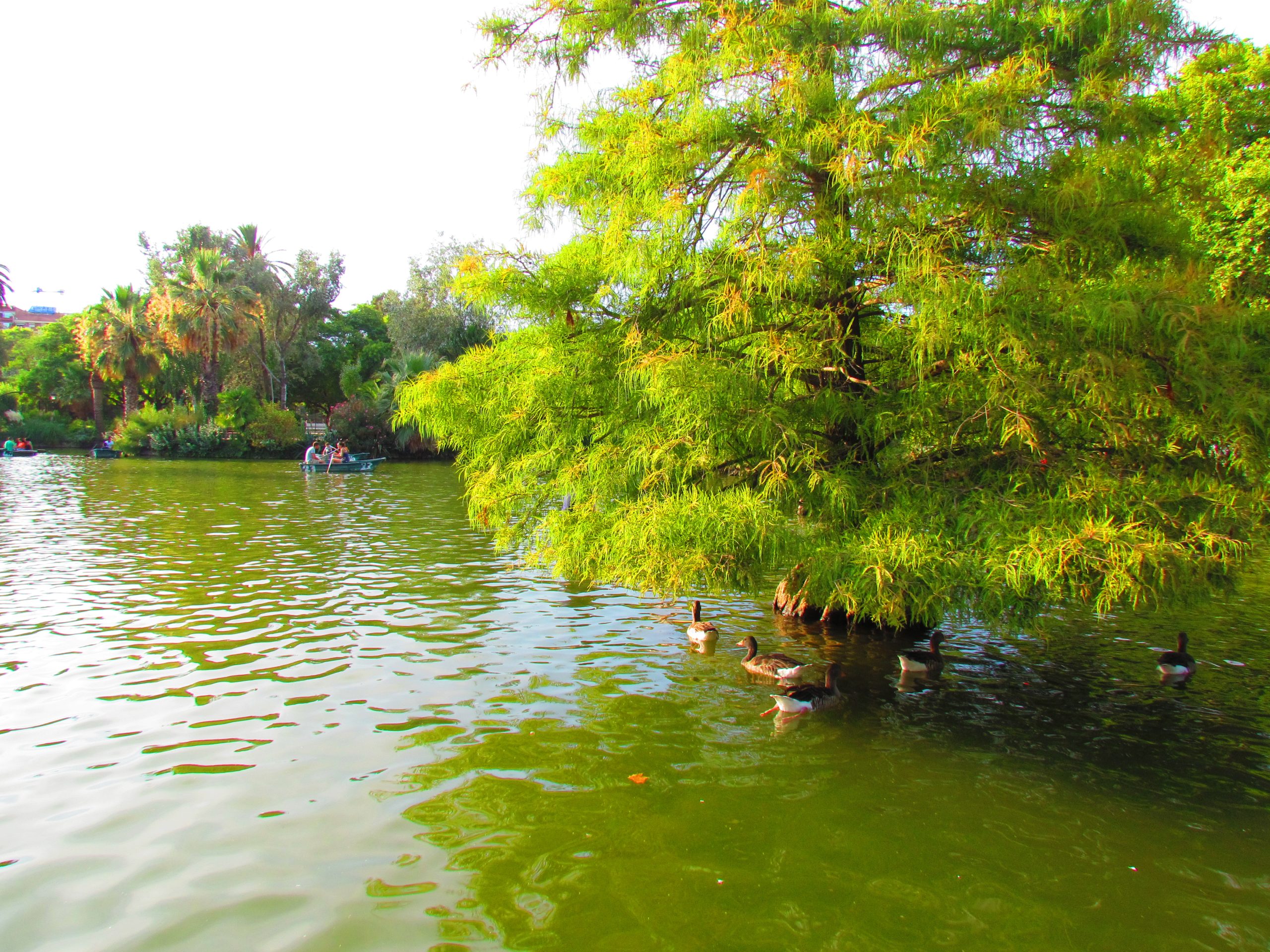
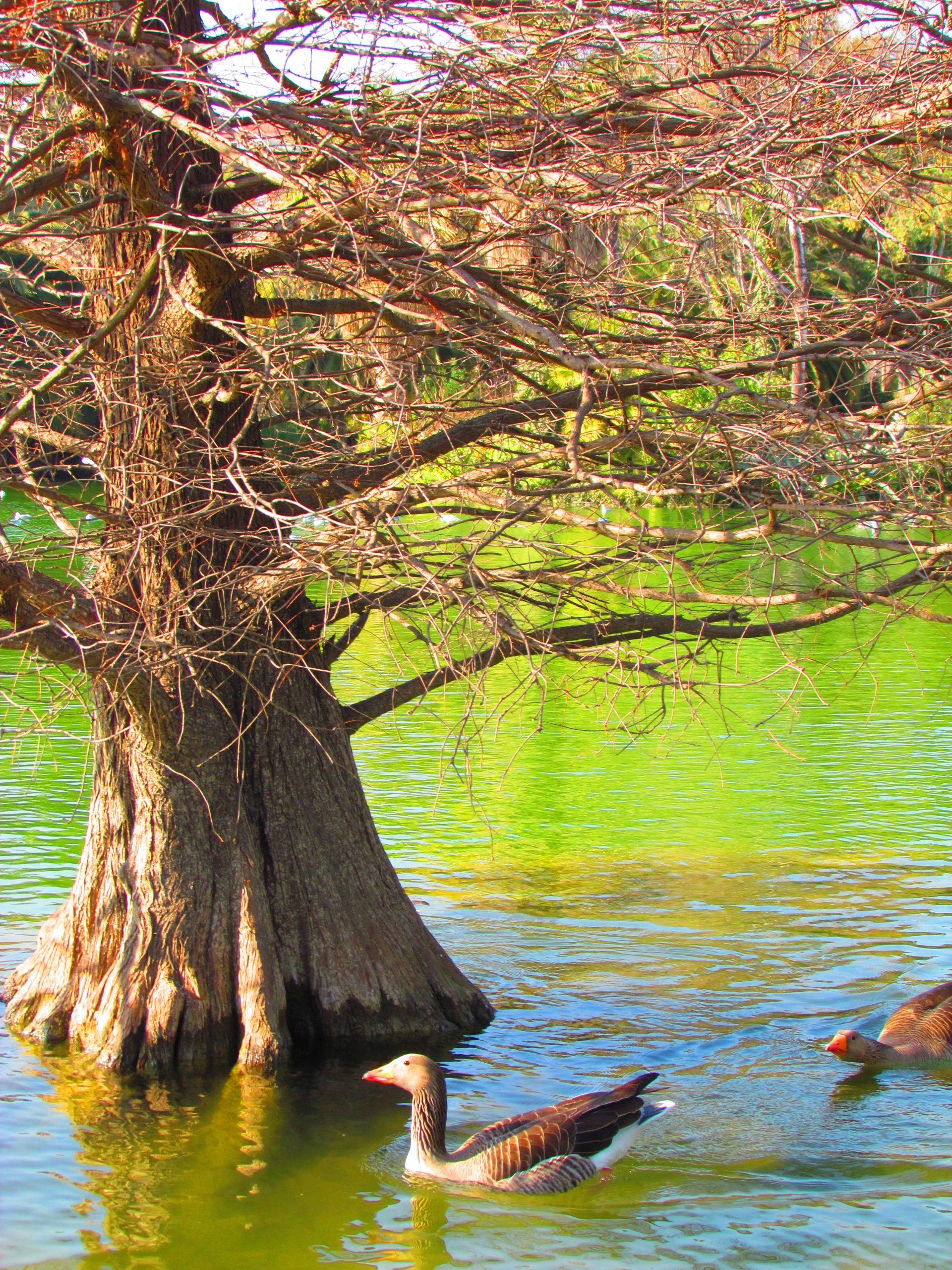
A few steps away, water appears between the trees. Small rowing boats drift across the lake. Some move elegantly. Others spin in slow circles while their temporary captains learn how rowing works.
For families with children old enough to enjoy it, a boat ride can be a wonderful pause between monuments. You do not travel very far. That is not the point.
Family tip: treat the boat ride as a bonus, not a promise. Availability and operating conditions can change, so check locally on the day before announcing to younger travellers that they are definitely becoming captains.
Gaudi connection
Now look for young Gaudi
You will not find Casa Batllo here. No Sagrada Familia towers. No Park Guell dragon. But Gaudi is hiding in Ciutadella too.
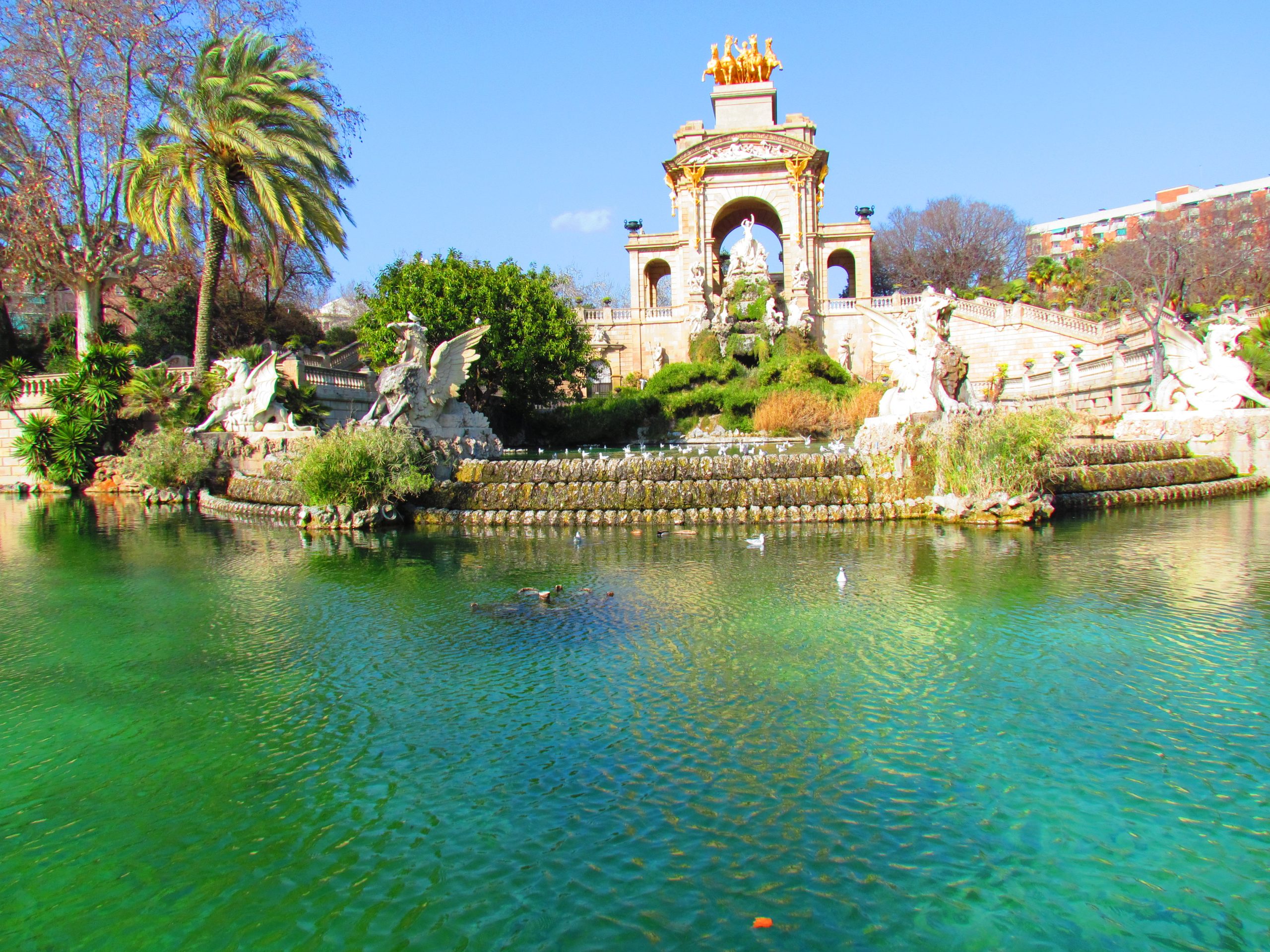
Long before he became the architect whose work would define Barcelona, Antoni Gaudi was a young architectural student assisting Josep Fontsere. One project associated with that moment was the park's spectacular Cascada Monumental.
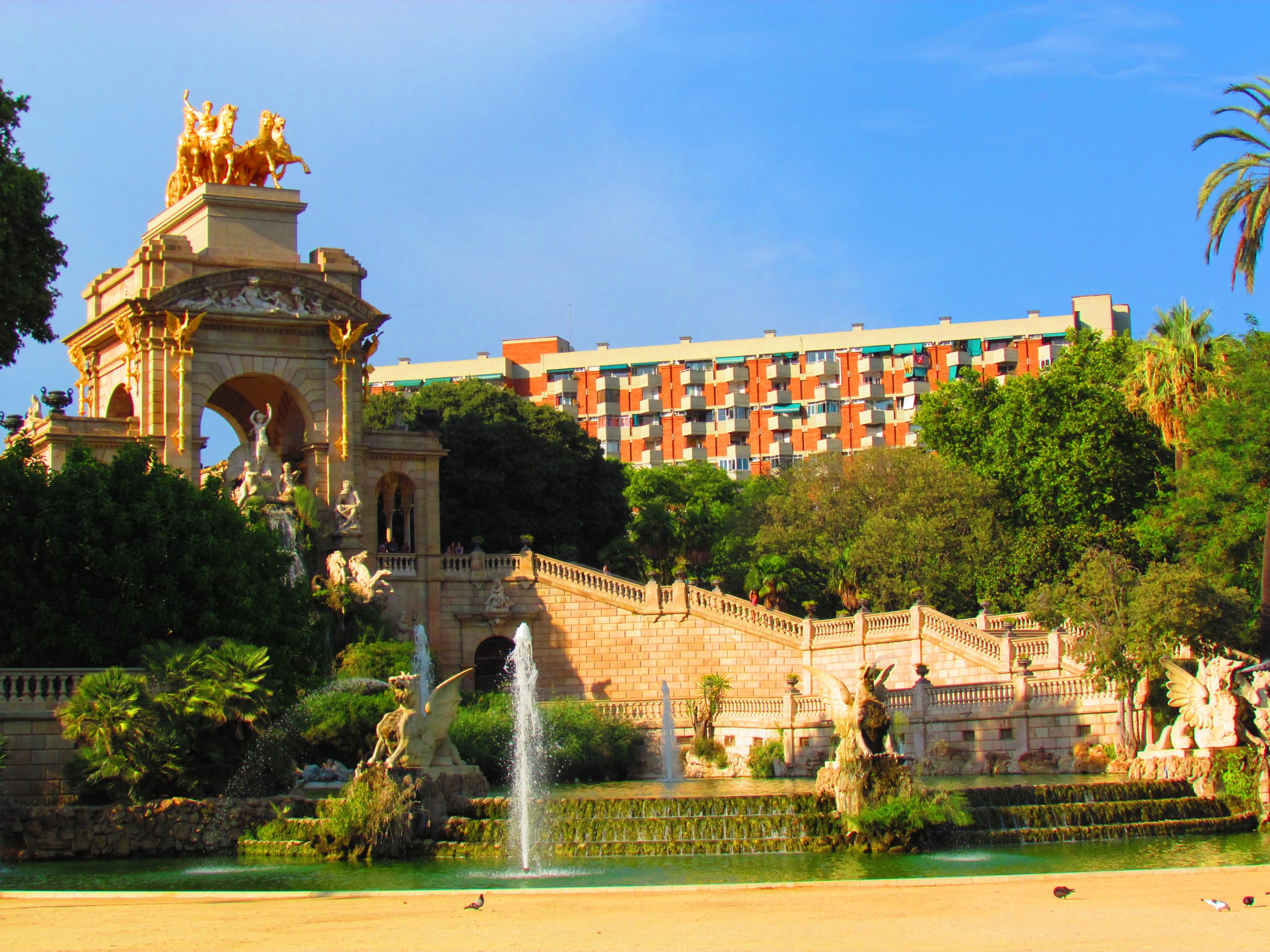
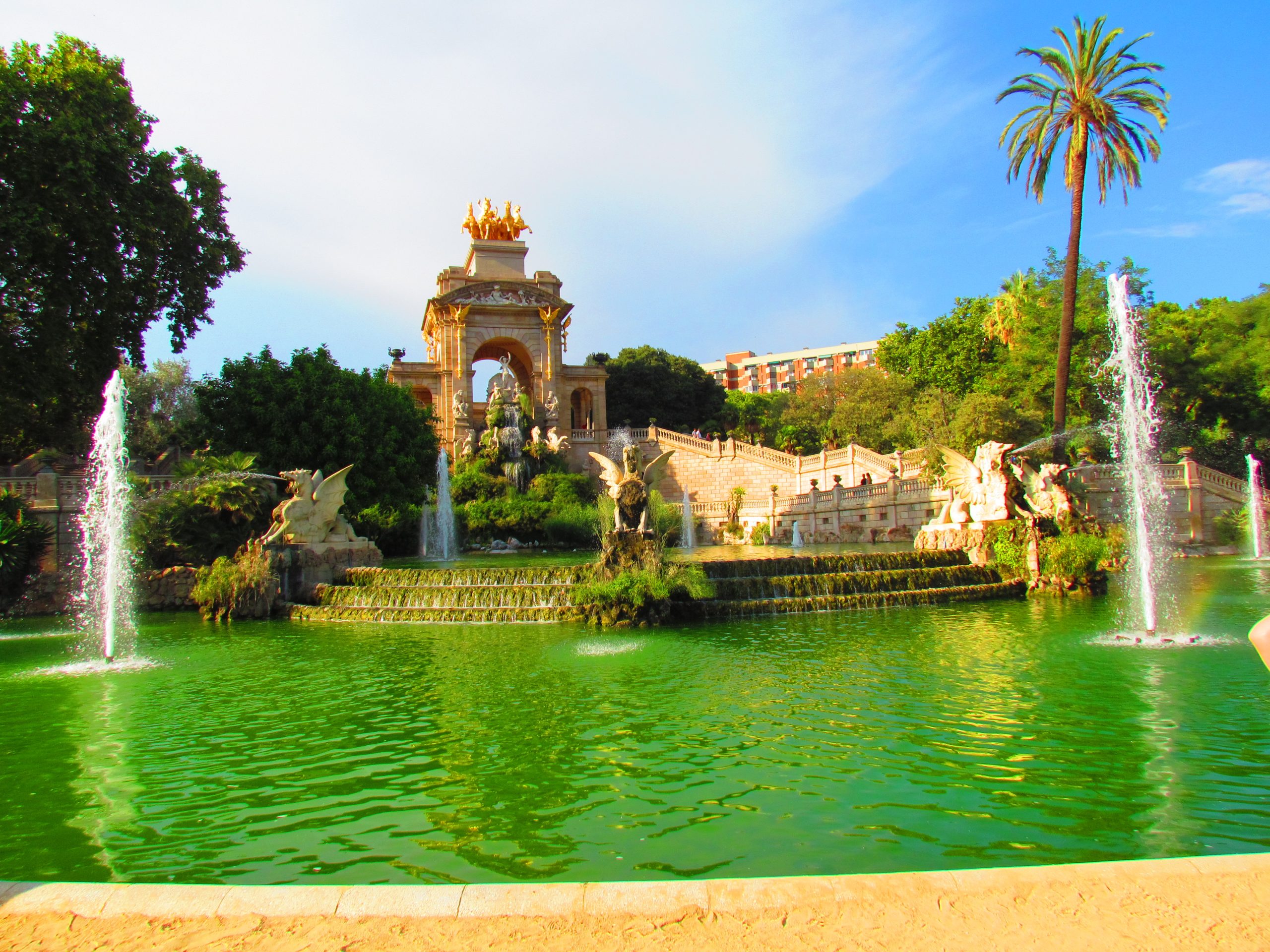
Approach the waterfall slowly. It deserves theatre: staircases, stone, sculptures, columns, water and mythology gathered into something between a fountain and an opera set.
Look for details
The waterfall is not just a waterfall
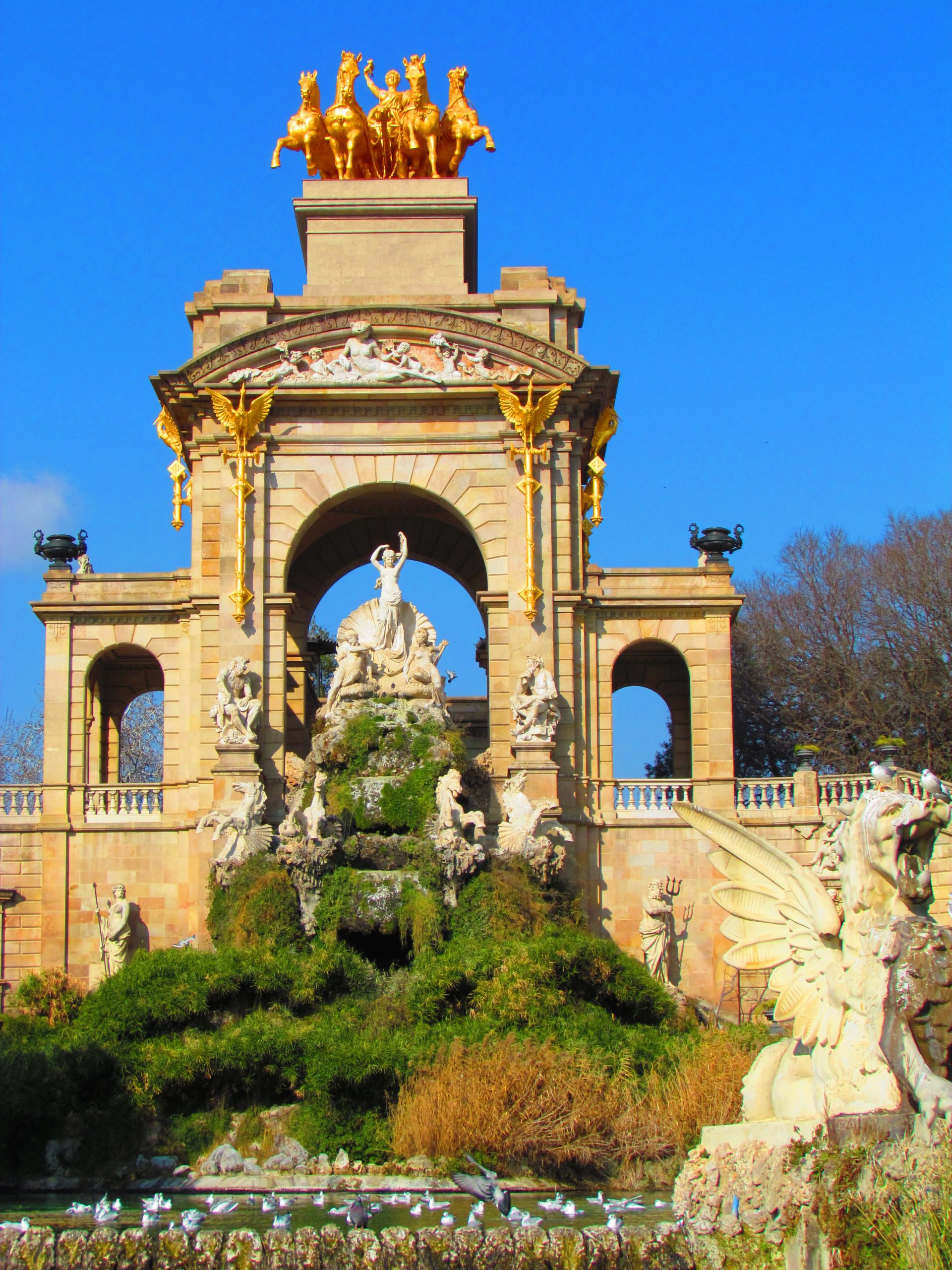
At the centre is The Birth of Venus, by Venanci Vallmitjana. Above everything rises a golden quadriga, Aurora's Chariot, by Rossend Nobas. Around them appear griffins, fauns, Eros and mythological figures.
For children, this is another treasure hunt: find the horses, find the wings, find the creatures, find the water. Who can spot the golden chariot first?
Families with a stroller do not need to climb the stairs to enjoy it. Admire the monument from below and keep the elevated parts optional.
With children
Sometimes children just need to play
Not every moment of a family trip needs to be educational. If you have spent the morning exploring El Born, visiting a museum or walking through the Gothic Quarter, Ciutadella can become your reset button.
Let the children play. Have a coffee. Sit beneath a tree. Nobody needs to learn anything for twenty minutes.
Some of the happiest family travel memories happen precisely when the itinerary temporarily disappears.
Meaning changes
Three buildings survived the fortress
The military citadel did not disappear completely. Three major buildings survived: the military chapel, the former Governor's Palace, and the former arsenal.
That arsenal now houses the Parliament of Catalonia. The symbolism is difficult to ignore. A building that once stored weapons inside a fortress built to control Barcelona eventually became the seat of Catalonia's parliament.
Architecture survives. Meaning changes. Sometimes dramatically.
Practical note
With a baby or stroller?
Ciutadella is one of the places we would seriously consider when building a Barcelona itinerary with a baby or young child. The reason is space.
- Main park paths let you enjoy much of the experience without every staircase.
- Use Arc de Triomf, the promenade, the mammoth, the lake and the Cascada from below as an easy family route.
- Bring water, snacks, sun protection, comfortable shoes and time.
- In warmer months, morning or later afternoon is usually kinder than midday heat.
One last secret
Perhaps Ciutadella's greatest curiosity is not the mammoth, or Gaudi, or the waterfall, or even the World Fair. It is what the park itself represents.
A fortress was built here to control Barcelona. Barcelona eventually tore most of it down, planted trees, created gardens, put boats on the water, and opened the gates.
Today, children run across the same landscape where military power once stood. There is something wonderfully hopeful about that.
Find the mammoth. Search for Gaudi. Count the horses. Row badly across the lake. Have a picnic. Let the children play. Then choose a different gate and keep exploring.
Parc de la Ciutadella FAQ
Is Parc de la Ciutadella good with kids?
Yes. It has open space, shade, play areas, a lake, a mammoth sculpture and enough variety to work as a relaxed family break.
How long do families need in Ciutadella?
Plan around 1.5-3 hours. Stay longer if you want to picnic, row a boat or let children play without rushing.
Can you visit Ciutadella with a stroller?
Yes, much of the park can be enjoyed from the main paths. Keep stairs and elevated viewpoints optional.
What is the best family route?
Start at Arc de Triomf, walk Passeig de Lluis Companys, enter Ciutadella, find the mammoth, stop by the lake, visit the Cascada from below and continue toward El Born.